
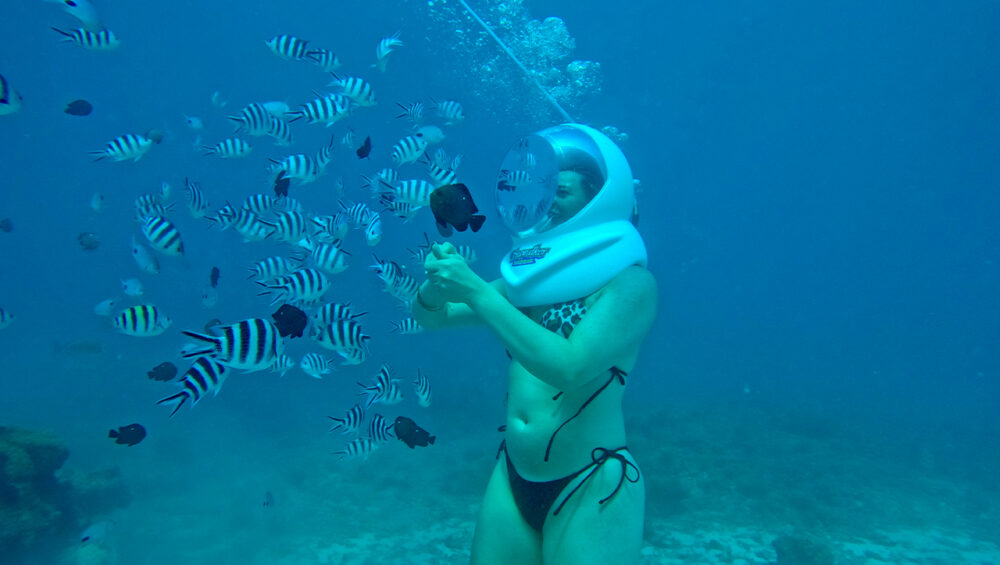
Zanzibar does not behave like most island destinations. Its weather is shaped by two distinct monsoon seasons, a handful of short rains, and a stretch of near-perfect calm — and knowing which window to book can be the difference between a dream holiday and a soggy one.
At Zanzibar SeaWalk, we have guided visitors through these azure waters across every month of the year. We know which mornings the coral gardens shine brightest, which weeks the swells roll in uninvited, and exactly when the sea floor becomes so still you could walk on it — almost. This guide distills everything we have learned so you arrive in Zanzibar at the very best time for your trip.
Understanding Zanzibar’s Climate Seasons
Zanzibar sits just south of the equator in the Indian Ocean, off the coast of Tanzania. This position gifts the archipelago with warm temperatures year-round — rarely dropping below 24°C — but it also places it firmly in the path of two monsoon systems that define when and how you should visit.
There are four broad seasons to know: the long rains (Masika), the short rains (Vuli), and two dry seasons that sit between them. The months belonging to each season shape everything from sea clarity and diving conditions to road access and accommodation pricing.
| Season | Months | Conditions | Verdict |
|---|---|---|---|
| Long Dry Season | June – October | Low humidity, clear skies, calm seas | Best |
| Short Dry Season | December – February | Warm, light breezes, good visibility | Excellent |
| Short Rains (Vuli) | November | Brief afternoon showers, quieter | Good |
| Long Rains (Masika) | March – May | Heavy daily rain, rough seas, limited visibility | Avoid |
The Best Months to Travel to Zanzibar
Peak Season
June & July
Clear skies dominate, humidity drops, and the southeast trade winds keep things refreshingly cool. Underwater visibility reaches its annual peak — ideal for SeaWalk tours.
Peak Season
August & September
Arguably the finest stretch of the year. Water temperatures hover around 26°C, the skies are reliably dry, and the island is alive with activity. Book early — this is when the world arrives.
Peak Season
October
The shoulder of the dry season. Crowds begin to thin before the short rains arrive, yet the weather remains mostly clear and the sea stays warm. Excellent value without compromise.
Excellent
December – February
The short dry season brings reliably sunny days and a festive atmosphere over the new year period. A favourite with honeymooners seeking calm seas and long, golden afternoons.
Good
November
The short rains typically arrive as brief afternoon showers rather than all-day downpours. Mornings are often beautiful, tourist numbers are low, and prices reflect that quieter mood.
Avoid
March – May
The Masika rains are relentless. Heavy rainfall floods roads, reduces ocean visibility to near zero, and many smaller guesthouses close entirely. Not the window for a SeaWalk experience.
Our Top Pick: July to September
If we had to choose a single window for your visit, the months of July through September represent the sweet spot where dry skies, calm seas, peak marine life activity, and the island’s most vibrant cultural calendar all converge. This is when Zanzibar SeaWalk operates at its finest — underwater visibility can stretch beyond 15 metres, turning every step along the ocean floor into something close to magic.
Month-by-Month Guide for SeaWalk & Ocean Activities
Planning your underwater adventure with Zanzibar SeaWalk requires a little more nuance than simply picking a dry month. Sea currents, tidal patterns, and marine life cycles all play a role in what you will encounter beneath the surface.
January & February
The ocean is warm and settled. Plankton blooms attract a rich variety of fish around the coral gardens off Nungwi and Kendwa. SeaWalk visibility is excellent, and the northeast monsoon keeps conditions gentle on the island’s northern tip.
March – May (Long Rains)
We do not recommend visiting for a SeaWalk experience during these months. Runoff from the rains reduces visibility significantly, and sea swells can make safe helmet walking impossible on many days. If you must travel in this period, late March sometimes offers a grace period before the rains fully establish.
June – October (Long Dry Season)
This is the golden era for Zanzibar SeaWalk. The southeast trade winds, known locally as the Kusi, push warm, clear water across the reef systems on the western and northern shores. Coral gardens bloom with colour, parrotfish and sea turtles are abundant, and the calm surface conditions allow our underwater walks to run daily without interruption. Whale shark sightings near Diani and Pemba Channel also peak in this period, though those giants tend to stay well above the reef floor.
November
The transition month. Morning sessions at Zanzibar SeaWalk are almost always possible, though afternoon sessions may be postponed on heavy shower days. The trade-off is a quieter, more personal experience at a gentler price point.
December
Christmas week fills Zanzibar quickly. Pre-Christmas and post-Christmas windows offer excellent SeaWalk conditions with slightly fewer visitors. The northeastern monsoon, the Kasikazi, begins settling the seas, bringing reliable calm to the east coast beaches by late December.
What to Expect at Different Price Points
Travel costs in Zanzibar follow the seasons closely. Understanding the pricing landscape helps you plan a holiday that matches both your ideal weather window and your budget.
- Peak pricing: July through September and the Christmas/New Year fortnight see the highest room rates and advance booking requirements of six to twelve months for premium properties.
- Shoulder value: June, October, and December offer near-peak conditions at noticeably reduced accommodation costs — often 20 to 35 percent lower than the high season ceiling.
- Budget window: November and early March (before the rains fully arrive) offer the lowest rates on the island, with the trade-off of some weather uncertainty.
- Avoid entirely: April and most of May are simply not suited to a beach or ocean-based holiday, regardless of the price. Save the budget for a better window.
Practical Tips Before You Travel
Book SeaWalk sessions in advance
During the peak months of July through September, Zanzibar SeaWalk’s daily slots fill weeks in advance. We recommend securing your underwater walk at the time of booking your accommodation — not after you arrive on the island.
Pack for humidity, not heat
Even in the dry season, humidity can climb in the afternoons, particularly inland around Stone Town. Lightweight, breathable fabrics and a light layer for air-conditioned transfers will serve you better than conventional beach resort wear.
Tides matter for timing
Zanzibar’s tidal range is significant, sometimes stretching up to three metres on the eastern coast. Zanzibar SeaWalk plans all sessions around optimal tidal windows, but if you are planning independent snorkelling, a tidal chart is an essential tool.
Travel insurance is non-negotiable
Even in the dry season, equatorial weather can shift quickly. Always travel with comprehensive insurance that covers activity-based water experiences. Zanzibar SeaWalk operates with full safety certification, but external disruptions — flights, ferry services, island access — benefit from coverage.
Walk the Ocean Floor with Zanzibar SeaWalk
Whether you visit in the golden light of August or the quieter calm of a November morning, Zanzibar SeaWalk is ready to take you beneath the Indian Ocean’s surface — no diving experience required, no fear of depth needed. Just the sea floor, the coral, and a world most people never see.
Final Thoughts: Timing Your Zanzibar Trip
There is no universally wrong time to fall in love with Zanzibar. Even a rainy afternoon in Stone Town carries its own kind of romance, with the smell of cloves and the sound of the old harbour mixing with the downpour. But for a holiday built around the ocean — for snorkelling, diving, sunset dhow cruises, and the extraordinary experience of walking the seabed — the dry seasons are where this island truly performs.
Plan around the long dry season from June to October for guaranteed sun, peak marine life, and the clearest water this part of the Indian Ocean can offer. Choose the short dry season in December through February for a warmer, more festive atmosphere with a romantic undertow. And wherever possible, leave the months of March, April, and May for the island to have its annual rest.
When you are ready to step beneath the surface, Zanzibar SeaWalk will be waiting — in any season, in any light, on any day the Indian Ocean is willing to let you in.