First Time in Zanzibar: A Complete 7-Day Itinerary from Nungwi

That first breath of Zanzibar air hits you differently, heavy with clove and salt, thick with history you can’t quite place yet. Seven days stretches ahead like an eternity when you’re planning from your couch, but once you’re actually there, the island has this way of swallowing time whole. Most first-timers either try to cram too much into too little time, or worse, waste days deciding what to do next. This zanzibar 7 day itinerary cuts through that paralysis. It’s the route I’ve walked, swum, and dined through twice now, built for anyone who wants to see the island properly, not just the bit between their sunlounger and the beach bar.

Your Zanzibar 7-Day Itinerary at a Glance

We start in Stone Town for two days of history and spices, then head north to base ourselves in Nungwi. From there, day trips branch out to the island’s highlights, including the utterly unique SeaWalk experience that belongs on every first-timer’s list. This isn’t about rushing from photo spot to photo spot. It’s about giving each location enough breathing room to actually feel like Zanzibar, not just some checklist you’re powering through.

Day-by-Day Zanzibar Itinerary

Day 1 :- Arrive and Explore Stone Town

The drive from Abeid Amani Karume International Airport to Stone Town is your first real taste of Zanzibar, a kaleidoscope of women in kangas, daladala minibuses painted like carnival rides, bicycles dodging potholes. Check into your hotel (the Emerson on Hurumzi is worth the splurge if you can swing it) and then just walk. Let the labyrinth of narrow alleys swallow you whole. You’ll smell curry spices from one doorway, fresh-caught fish from another, and the faint, sweet perfume of drying cloves hanging in doorways. The carved wooden doors; each telling a different story with brass studs and intricate patterns will stop you in your tracks every block. Don’t try to conquer the whole town on day one. Maybe pick three streets, walk them until they blur together, then find a rooftop restaurant as the sun paints the harbour in impossible gold.

Day 2 :- Stone Town in Depth + Spice Farm

Morning means proper Stone Town; start with coffee at Zanzibar Coffee House, then hit the Old Fort (it’s mostly shops now, but the thick coral walls tell stories). The market is next, a controlled chaos of fresh fruit, mountainous spice piles, and fish so fresh they’re still glistening. Worth knowing: the Freddie Mercury Museum is genuinely well done, even if you’re not a massive Queen fan. It captures the complicated history of Zanzibar’s most famous son without glossing over the rough bits. After lunch, arrange a spice farm tour. The good ones (book through your hotel, never the guys promising tours on the street) take you through jungles where you’ll taste cinnamon bark straight from the tree, crush cardamom pods in your palm, and get hilariously drunk on fresh nutmeg tea. Most people think spice farms sound touristy until they’re standing there with clove oil staining their fingers.

Day 3 :- Transfer to Nungwi + Prison Island

Day three is when most first-timers say the trip clicks, when you shift from historical exploration to proper beach living. The transfer north takes about 90 minutes in a private car (longer in a shared taxi that stops every 15 minutes). The landscape changes from Stone Town’s density to wide-open roads dotted with villages, women balancing baskets on their heads, kids waving from schoolyards. Check into your Nungwi hotel, then head straight for the harbor to catch a boat to Prison Island. And here’s the thing about Prison Island, it’s not actually a prison (it was built for that purpose but never used), and it’s not really about the prison history anymore. It’s about the Aldabra tortoises. These ancient, wrinkled beasts; some over 150 years old, move with the unhurried wisdom of creatures who’ve seen empires rise and fall. They’re surprisingly social, following you around like scaly puppies. The snorkeling here is decent too, though it gets busy with tour groups. Back in Nunggi by sunset, when the dhows return like floating lanterns trailing fire on the water.

Day 4 :- Zanzibar SeaWalk

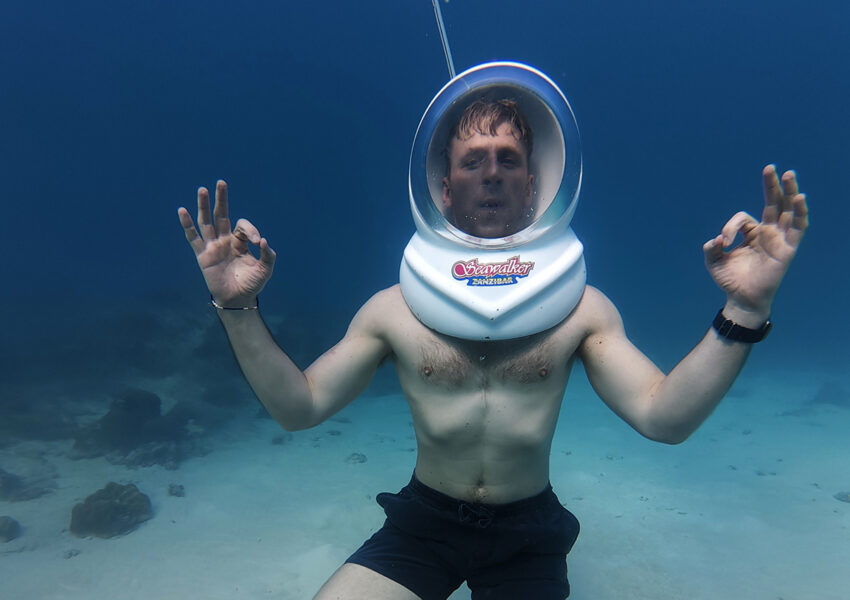
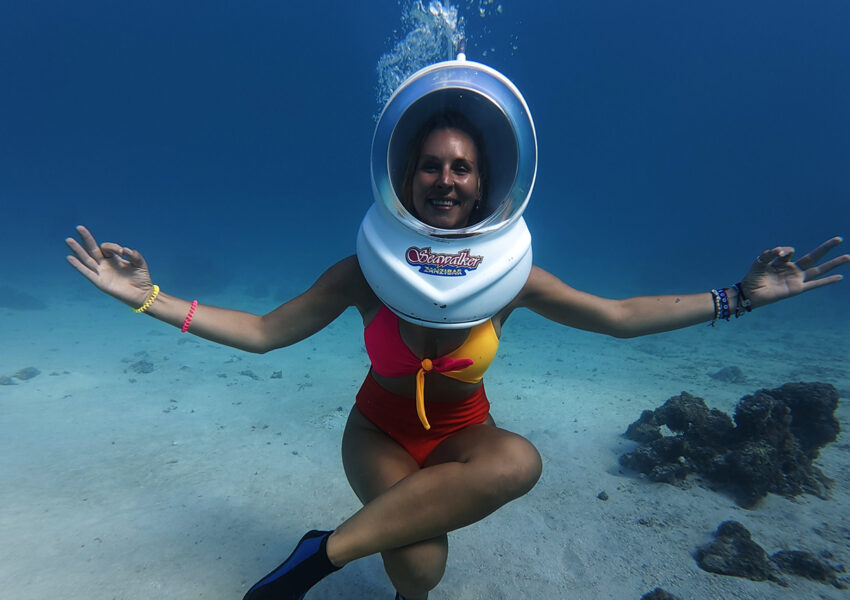
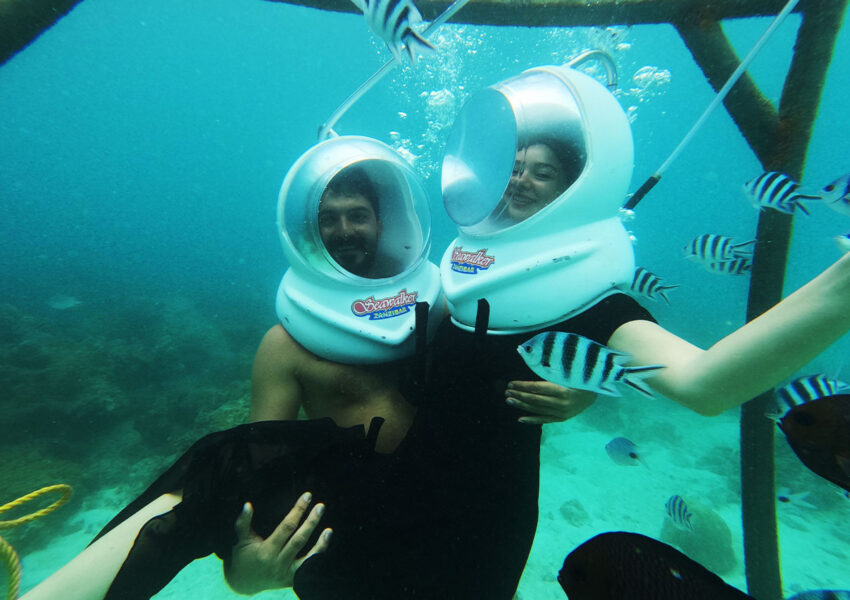
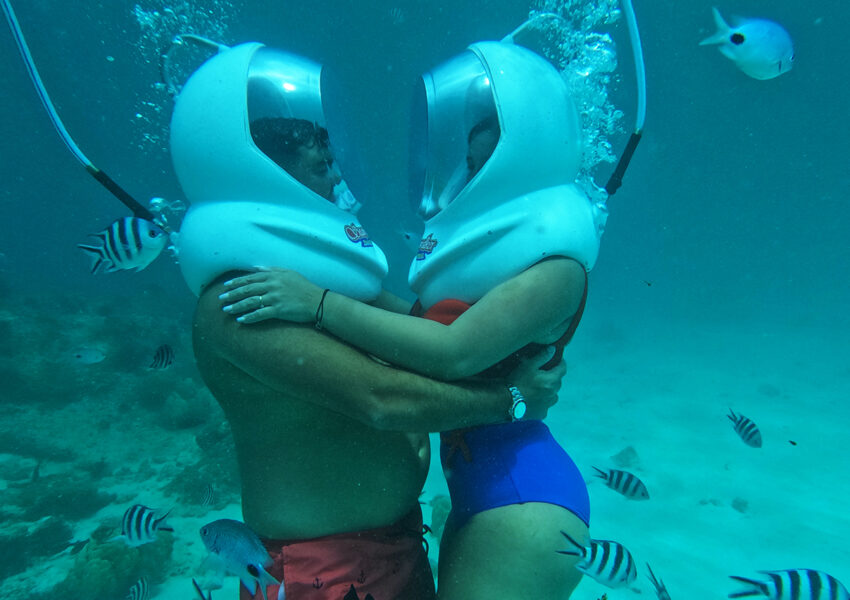
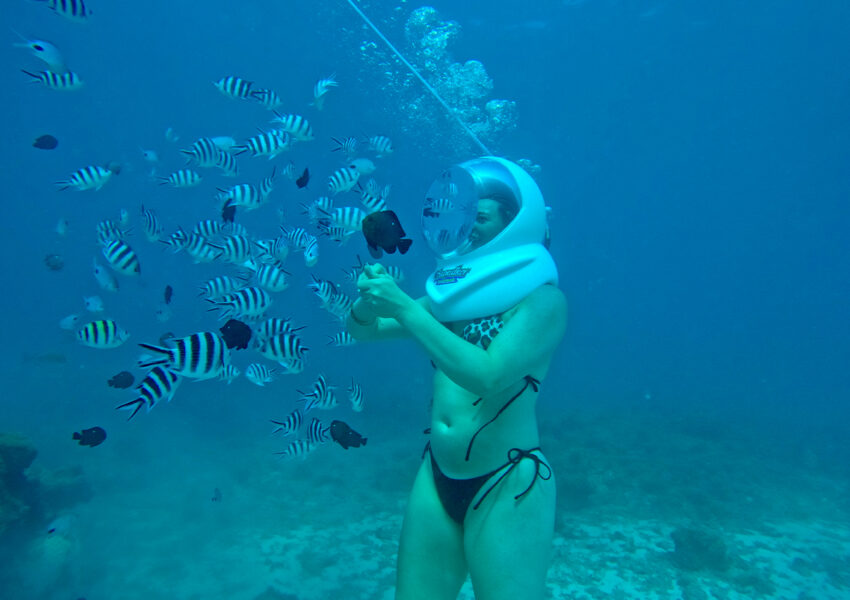
Morning in Nungwi starts with that first view of the Indian Ocean, impossibly blue under the equatorial sun. After breakfast at one of the beachfront cafes where you can dig your toes in the sand while ordering French press coffee, it’s time for something genuinely unlike anything else you’ll do on this island or anywhere else for that matter. The SeaWalk experience begins with a short boat ride to the underwater platform. You’ll get a safety briefing that somehow manages to be both thorough and completely relaxing (they’re very good at putting nervous types at ease). The helmet, which looks like something from a steampunk diving expedition, weighs a bit as they lower it onto your shoulders. Then you descend the ladder into the warm Indian Ocean water, and as the helmet settles and the bubbles clear… everything changes.

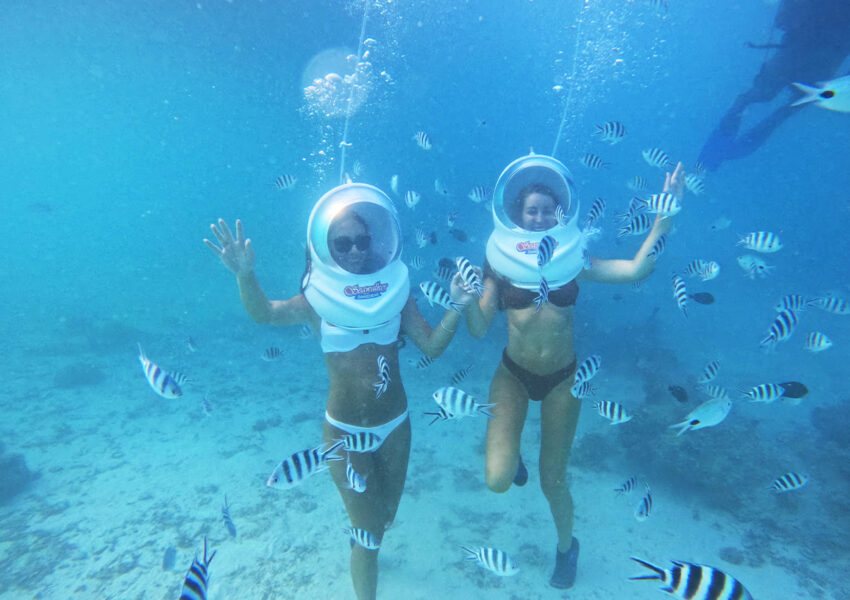
You’re walking on the ocean floor, twenty feet below the surface, breathing normally as if you’re standing in your living room. And you’re not just looking at fish; you’re part of their world. Starfish the size of dinner plates cling to coral formations. Angelfish with impossible electric blue patterns swim right up to your faceplate, curious about this strange creature invading their space. Moray eels peer from crevices, and if you’re lucky (I was), you might spot a graceful sea turtle gliding past. It’s quiet down there, just the sound of your own breathing and the faint hiss of air circulating through the helmet. This isn’t snorkeling where you’re skimming the surface, or diving where you’re fighting buoyancy and equalizing pressure. It’s just walking; weightless, effortless, profoundly magical. The experience lasts about 25 minutes underwater, but it rewires something in your brain about what’s possible.

What makes SeaWalk Zanzibar special is how it works for absolutely everyone. I’ve seen 70-year-olds who haven’t swum in decades walk confidently among the coral gardens. I’ve watched children barely tall enough to reach the handrail point excitedly at parrotfish like they’ve discovered a secret world. Even experienced divers who’ve done it all tell me this feels different, more intimate somehow. When you emerge back onto the platform, salt water dripping from your hair, there’s this particular kind of satisfaction that comes from having done something genuinely new. Book your SeaWalk session at zanzibar-seawalk.com before you arrive, slots fill quickly in peak season, and trust me, you don’t want to be the person trying to squeeze this in last minute and finding it fully booked.

The afternoon settles into a different kind of magic. That post-SeaWalk feeling, that warm, accomplished glow, makes even a simple beach beer taste like champagne. You’ll notice the sand differently. You’ll watch the dhows with new appreciation, knowing what lies just beneath their wooden hulls. This is the day most people reference when they say “Zanzibar changed me.”

Day 5 :- Mnemba Atoll Snorkelling

You’ll want an early start for Mnemba Atoll; the boats usually leave around 8:30 AM to avoid the afternoon crowds and catch the calmest waters. Mnemba is different from other snorkeling spots around Zanzibar; the coral here is healthier, the fish density higher, the visibility generally better (though it’s always weather-dependent). The boat ride out is half the fun, more often than not, you’ll spot pods of dolphins racing alongside. At the first snorkel site, you’ll drop into water that’s suddenly teeming with life, schools of sergeant majors so thick they block the sun, butterfly fish painted like impressionist art, and if you’re very lucky, sea turtles munching peacefully on seagrass. The second spot is usually different terrain maybe a coral garden or a drop-off where bigger fish hang out. Here’s the honest truth: Mnemba can get crowded with tour boats, and the quality of operators varies significantly. Book through a reputable company (your hotel can help), and consider a private tour if your budget allows; the difference in experience is substantial. Back on shore by mid-afternoon, exhausted in that good way that only salt and sun can produce.

Day 6 :- Kendwa Beach + Sunset Dhow Cruise

Day six should be deliberately slower. Take a morning taxi to Kendwa Beach, it’s worth the 15-minute ride from Nungwi. Kendwa has a different personality than Nungwi: wider, softer, somehow more tranquil. The water here stays shallow for meters out, creating these impossible shades of turquoise that photographers dream about. Find a spot at Kendwa Rocks Beach Hotel (they don’t mind if you’re not staying there), order a fresh juice, and just let the morning dissolve into afternoon. Because honestly, after six days of adventure, you’ll need this pause.

The real magic happens as afternoon turns to evening. The traditional dhow cruise deserves its reputation, those wooden sailing boats, trimmed with white lights, sliding across glass-flat water as the sun melts into the horizon in colors that cameras can’t quite capture. The crew will likely break out the taarab music, that distinctive Swahili blend of African and Arab influences that sounds like what homesickness would feel like if it were music. Most operators include a simple dinner onboard; grilled fish, rice, perhaps some octopus curry if you’re lucky. This is the evening most first-timers say they’ll remember longest, the silence between the songs, the warm night air, the realization that you’re somewhere completely removed from the life you usually live.

Day 7 :- Final Morning in Nungwi + Departure

Your last morning in Zanzibar deserves a deliberate pace. One last swim in those impossibly warm waters. One more coffee with your feet buried in sand. Most hotels offer late checkout if you ask nicely, and it’s worth requesting; there’s nothing worse than rushing your last hours. The transfer back to the airport takes about 90 minutes from Nungwi, but traffic in Stone Town can add time, so plan accordingly. As you drive away, watching those dhows recede in your rearview mirror, you’ll understand what Zanzibar does to people, it doesn’t just show you a beautiful place, it rearranges something fundamental about how you see the world. Most first-time visitors are already planning their return before they even clear security.

Practical Tips for Your First Time in Zanzibar

The best time to visit Zanzibar is generally June through October or January through February, the shoulder seasons offer fewer crowds and lower prices without compromising too much on weather. Bring cash, US dollars are accepted everywhere, but make sure they’re crisp bills from after 2006 or they might be refused (it’s a weird local quirk). In Stone Town, cover your shoulders and knees when wandering around town; it’s a Muslim-majority island, and respect goes a long way. What to book in advance? Honestly, just three things: your SeaWalk experience (zanzibar-seawalk.com), a reputable Mnemba Atoll operator, and your sunset dhow cruise. Everything else can be arranged with a day’s notice. The thing most first-timers get wrong? They try to see the entire island in a week, stick to the north after Stone Town and you’ll have a much richer experience than racing down to Paje and Jambiani for 48 hours.

FAQs About Visiting Zanzibar for the First Time

Q: How many days do you need in Zanzibar? A: Seven days is the sweet spot for a first visit; enough time for Stone Town’s history, the north coast’s beaches, and at least one signature experience like SeaWalk without feeling rushed.

Q: Is Zanzibar good for first-time Africa travellers? A: Absolutely; Zanzibar feels like a gentle introduction to Africa with excellent tourism infrastructure, English widely spoken in tourist areas, and generally lower hassle than mainland destinations.

Q: What is SeaWalk Zanzibar and is it worth it? A: SeaWalk is an underwater helmet walking experience where you walk on the ocean floor breathing normally; no swimming or experience required. It’s absolutely worth it for the unique perspective and accessibility.

Q: What is the best base for a Zanzibar itinerary? A: Most travelers split their time between Stone Town for 2-3 nights and Nungwi for the remainder, Nungwi offers the best beaches as a base for day trips to Mnemba Atoll and SeaWalk.

Seven days in Zanzibar disappears faster than you expect, but with the right plan, it’s enough time to understand why this island gets under people’s skin. This zanzibar first time travel guide gives you the framework to experience the island properly; history, spices, underwater worlds, and those beaches you’ll carry in your memory long after your flight home. Of all the experiences waiting for you, though, there’s one that deserves advance planning, that weightless walk among the coral where the Indian Ocean becomes your world for half an hour. Book your SeaWalk experience at zanzibar-seawalk.com before you even book your flights. Trust me on this one.

Coastal Discovery Zanzibar

Zanzibar with Kids: 7 Activities the Whole Family Will Actually Enjoy

Planning a family holiday is really two holidays in one. Yours, and theirs. Zanzibar sells itself easily on the adult side: white sand, warm water, good food. But parents often worry it’s a beach destination and nothing else. That’s understandable. It’s also not accurate. There are genuine zanzibar activities for kids scattered across this island, and a handful of them are exceptional. One, in particular, is the kind of thing your children will still be talking about when they’re adults. We’ll get to that one first.

The Best Zanzibar Activities for Kids (And the Adults Who Come With Them)

Not every activity that calls itself family-friendly actually works. Some hold attention for twenty minutes before someone needs a snack and a nap. The list below is genuinely curated: seven things that work across different ages and energy levels, and represent the best zanzibar family things to do the island has to offer.

1. Zanzibar SeaWalk — Underwater Helmet Walking

If you only pre-book one activity for your Zanzibar trip, make it this.

Zanzibar SeaWalk is a helmet walking experience on the floor of the Indian Ocean, and it’s less complicated than it sounds. You walk down a short platform into the water, a specially designed helmet is placed over your head (it sits on your shoulders, not your face, and there’s nothing covering your eyes), and you descend to the ocean floor while fresh air is continuously pumped in. No swimming required. No snorkelling experience required. Your feet stay on the ground the whole time.

The water around Zanzibar runs between 26 and 29 degrees Celsius, so there’s no cold shock on entry. What kids tend to notice first is the sound, or the near-absence of it. Then the reef comes into focus, and then the fish. And then the fish come closer. The moment the helmet settles and the bubbles clear, most kids go completely quiet, in the best possible way.

Honestly, this surprises most parents. Children who are nervous about swimming, kids who’ve refused every water activity on the itinerary; they do this, and they love it. Because there’s genuinely nothing to fear. Your feet are on sand. You’re breathing normally. The fish don’t care that you’re there.

Parents who stay at the surface can watch everything from above. Watching your kid wave at you from the ocean floor is, well, not something you forget quickly. This is the standout kid-friendly activities Zanzibar experience on the island, and it books up fast. Don’t leave it until arrival.

Check availability and book your SeaWalk experience at zanzibar-seawalk.com, and confirm the minimum age requirement on the site before you go.

2. Snorkelling at Mnemba Atoll

Off the northeast coast, Mnemba Atoll offers some of the best snorkelling in East Africa: intact reef, strong visibility, impressive fish life. Most operators run half-day trips from the north and east coasts, and guides are attentive with younger swimmers. This is firmly in the territory of zanzibar activities for kids who are already confident in open water: broadly, children aged seven and up who can manage a snorkel comfortably. Don’t rush them if they’re not ready; SeaWalk is the better call for families with mixed water confidence.

3. Spice Farm Tour

Better than it sounds, genuinely. The good spice farm tours are hands-on: you touch, smell, and taste things straight off the plant. Vanilla, cinnamon bark, cloves, lemongrass. Kids who’d glaze over in a museum setting tend to engage here because it’s physical and sensory and slightly strange (eating a raw peppercorn does immediate things to your face). Toddlers manage fine. Go in the morning before the heat builds, and book with an operator who includes a local lunch; it makes the whole thing feel less like a tour and more like an afternoon.

4. Dolphin Watching at Kizimkazi

Kizimkazi sits at Zanzibar’s southern tip, and it’s the base for dolphin-watching trips in the Menai Bay Conservation Area. Spinner and bottlenose dolphins are regularly spotted here, sometimes in large pods. Some operators offer swimming with dolphins (this is worth researching from a conservation standpoint before you book). For families with younger children, watching from the boat is more than enough; the sightings can be very close. Go early: calmer water and more active dolphins in the morning. Most operators include transfers from the main coastal areas.

5. Prison Island (Changuu Island)

Twenty minutes by boat from Stone Town, Prison Island has one clear draw for children: enormous Aldabra tortoises, some over a century old, which kids can feed and photograph up close. That alone is worth the trip. There’s also a small beach and some colonial-era ruins that older children find interesting. The boat ride counts as part of the adventure. Bring cash for the entry fee and aim for an early start before the day-trip crowds arrive. Best for all ages; even young toddlers tend to be captivated by animals this size.

6. Stone Town Exploration

Worth being honest here: Stone Town works brilliantly with older kids and is genuinely hard work with toddlers. The alleys are narrow, it’s warm, and there’s a lot of walking. With children aged ten and up, though, it’s fascinating; the history is genuinely strange, the carved doors are everywhere, and the Forodhani night market is a sensory experience worth timing your visit around. Go in the late afternoon when the heat eases. Comfortable shoes, full water bottles, and a loose itinerary rather than a rigid plan.

7. Sunset Dhow Cruise

This one works because it asks nothing of anyone. You get on a traditional wooden dhow. The Indian Ocean turns colours it doesn’t turn at any other time of day. Younger children tend to find it calming, which, at the end of a full day of zanzibar family things to do, is a small miracle. Some operators include light food and soft drinks. The light between 5 and 6 p.m. on the water is genuinely extraordinary; that’s not filler, it’s accurate. Most cruises run one to two hours. Book ahead during peak season; these fill up.

Practical Tips for a Zanzibar Family Holiday

The most reliable windows for a family visit are the dry seasons: June to October, and December to February. The long rains from March to May make outdoor planning unreliable and aren’t worth the gamble with kids. Sun protection matters more than most people expect: the equatorial sun is intense even when clouds are present. Pack rehydration sachets and a basic first aid kit. Malaria prophylaxis is recommended for Zanzibar; confirm the current guidance with your GP before you travel. The north and east coasts, Nungwi, Kendwa, Paje, are where most family-friendly resorts sit, and for good reason.

FAQs About Zanzibar with Kids

Q: Is Zanzibar safe for kids?
A: In general, yes. Zanzibar is a well-established tourist destination with solid infrastructure along the main coastal areas. Standard precautions apply: use registered operators for water activities, supervise younger children near the ocean, and check your government’s current travel advisory before departure. Malaria is present on the island, so prophylaxis is advised for the whole family.

Q: What age is SeaWalk suitable for?
A: Zanzibar SeaWalk is designed to be accessible to children as well as adults; no swimming ability is required at any age. Check the current minimum age requirement directly on zanzibar-seawalk.com before booking, as this can vary by season or operator guidelines.

Q: What is the best family beach in Zanzibar?
A: Nungwi and Kendwa on the north coast are consistently popular with families because the water stays swimmable at low tide (unlike parts of the east coast, where the tide retreats dramatically). Paje on the east coast is also excellent, particularly for older children and teens. Where you end up will partly depend on where you’re based.

Q: What is the best time of year to visit Zanzibar with kids?
A: June to October is the most dependable window: dry, warm, and well-suited to outdoor activities. December to February is also a strong choice, with good weather and slightly fewer tourists than peak European summer. April and May are best avoided; the long rains make day trips harder to plan reliably.


One Last Thing

Zanzibar works as a family destination, not in the vague, hopeful way travel writing usually means, but practically and specifically. The beaches are real, the activities are varied, and the island rewards families who plan a little rather than leaving it all to chance. If you want one booking locked in before you arrive, start with SeaWalk. It’s the activity that consistently surprises both kids and the parents who thought they’d seen it all.

Book your SeaWalk experience at zanzibar-seawalk.com, and check availability early. It fills up for good reason.

The Best Months to Travel to Zanzibar

Zanzibar does not behave like most island destinations. Its weather is shaped by two distinct monsoon seasons, a handful of short rains, and a stretch of near-perfect calm — and knowing which window to book can be the difference between a dream holiday and a soggy one.

At Zanzibar SeaWalk, we have guided visitors through these azure waters across every month of the year. We know which mornings the coral gardens shine brightest, which weeks the swells roll in uninvited, and exactly when the sea floor becomes so still you could walk on it — almost. This guide distills everything we have learned so you arrive in Zanzibar at the very best time for your trip.

Understanding Zanzibar’s Climate Seasons

Zanzibar sits just south of the equator in the Indian Ocean, off the coast of Tanzania. This position gifts the archipelago with warm temperatures year-round — rarely dropping below 24°C — but it also places it firmly in the path of two monsoon systems that define when and how you should visit.

There are four broad seasons to know: the long rains (Masika), the short rains (Vuli), and two dry seasons that sit between them. The months belonging to each season shape everything from sea clarity and diving conditions to road access and accommodation pricing.

SeasonMonthsConditionsVerdict
Long Dry SeasonJune – OctoberLow humidity, clear skies, calm seasBest
Short Dry SeasonDecember – FebruaryWarm, light breezes, good visibilityExcellent
Short Rains (Vuli)NovemberBrief afternoon showers, quieterGood
Long Rains (Masika)March – MayHeavy daily rain, rough seas, limited visibilityAvoid

The Best Months to Travel to Zanzibar

Peak Season

June & July

Clear skies dominate, humidity drops, and the southeast trade winds keep things refreshingly cool. Underwater visibility reaches its annual peak — ideal for SeaWalk tours.

Crystal seasLow humidityWhale sharks

Peak Season

August & September

Arguably the finest stretch of the year. Water temperatures hover around 26°C, the skies are reliably dry, and the island is alive with activity. Book early — this is when the world arrives.

Best diving Festivals Full sun

Peak Season

October

The shoulder of the dry season. Crowds begin to thin before the short rains arrive, yet the weather remains mostly clear and the sea stays warm. Excellent value without compromise.

Fewer crowds Lower rates Warm waters

Excellent

December – February

The short dry season brings reliably sunny days and a festive atmosphere over the new year period. A favourite with honeymooners seeking calm seas and long, golden afternoons.

Honeymoon season Festive vibes Calm waters

Good

November

The short rains typically arrive as brief afternoon showers rather than all-day downpours. Mornings are often beautiful, tourist numbers are low, and prices reflect that quieter mood.

Budget-friendly Morning sunQuiet beaches

Avoid

March – May

The Masika rains are relentless. Heavy rainfall floods roads, reduces ocean visibility to near zero, and many smaller guesthouses close entirely. Not the window for a SeaWalk experience.

Heavy rainfall Rough seas Road closures

Our Top Pick: July to September

If we had to choose a single window for your visit, the months of July through September represent the sweet spot where dry skies, calm seas, peak marine life activity, and the island’s most vibrant cultural calendar all converge. This is when Zanzibar SeaWalk operates at its finest — underwater visibility can stretch beyond 15 metres, turning every step along the ocean floor into something close to magic.

Month-by-Month Guide for SeaWalk & Ocean Activities

Planning your underwater adventure with Zanzibar SeaWalk requires a little more nuance than simply picking a dry month. Sea currents, tidal patterns, and marine life cycles all play a role in what you will encounter beneath the surface.

January & February

The ocean is warm and settled. Plankton blooms attract a rich variety of fish around the coral gardens off Nungwi and Kendwa. SeaWalk visibility is excellent, and the northeast monsoon keeps conditions gentle on the island’s northern tip.

March – May (Long Rains)

We do not recommend visiting for a SeaWalk experience during these months. Runoff from the rains reduces visibility significantly, and sea swells can make safe helmet walking impossible on many days. If you must travel in this period, late March sometimes offers a grace period before the rains fully establish.

June – October (Long Dry Season)

This is the golden era for Zanzibar SeaWalk. The southeast trade winds, known locally as the Kusi, push warm, clear water across the reef systems on the western and northern shores. Coral gardens bloom with colour, parrotfish and sea turtles are abundant, and the calm surface conditions allow our underwater walks to run daily without interruption. Whale shark sightings near Diani and Pemba Channel also peak in this period, though those giants tend to stay well above the reef floor.

November

The transition month. Morning sessions at Zanzibar SeaWalk are almost always possible, though afternoon sessions may be postponed on heavy shower days. The trade-off is a quieter, more personal experience at a gentler price point.

December

Christmas week fills Zanzibar quickly. Pre-Christmas and post-Christmas windows offer excellent SeaWalk conditions with slightly fewer visitors. The northeastern monsoon, the Kasikazi, begins settling the seas, bringing reliable calm to the east coast beaches by late December.

What to Expect at Different Price Points

Travel costs in Zanzibar follow the seasons closely. Understanding the pricing landscape helps you plan a holiday that matches both your ideal weather window and your budget.

  • Peak pricing: July through September and the Christmas/New Year fortnight see the highest room rates and advance booking requirements of six to twelve months for premium properties.
  • Shoulder value: June, October, and December offer near-peak conditions at noticeably reduced accommodation costs — often 20 to 35 percent lower than the high season ceiling.
  • Budget window: November and early March (before the rains fully arrive) offer the lowest rates on the island, with the trade-off of some weather uncertainty.
  • Avoid entirely: April and most of May are simply not suited to a beach or ocean-based holiday, regardless of the price. Save the budget for a better window.

Practical Tips Before You Travel

Book SeaWalk sessions in advance

During the peak months of July through September, Zanzibar SeaWalk’s daily slots fill weeks in advance. We recommend securing your underwater walk at the time of booking your accommodation — not after you arrive on the island.

Pack for humidity, not heat

Even in the dry season, humidity can climb in the afternoons, particularly inland around Stone Town. Lightweight, breathable fabrics and a light layer for air-conditioned transfers will serve you better than conventional beach resort wear.

Tides matter for timing

Zanzibar’s tidal range is significant, sometimes stretching up to three metres on the eastern coast. Zanzibar SeaWalk plans all sessions around optimal tidal windows, but if you are planning independent snorkelling, a tidal chart is an essential tool.

Travel insurance is non-negotiable

Even in the dry season, equatorial weather can shift quickly. Always travel with comprehensive insurance that covers activity-based water experiences. Zanzibar SeaWalk operates with full safety certification, but external disruptions — flights, ferry services, island access — benefit from coverage.

Walk the Ocean Floor with Zanzibar SeaWalk

Whether you visit in the golden light of August or the quieter calm of a November morning, Zanzibar SeaWalk is ready to take you beneath the Indian Ocean’s surface — no diving experience required, no fear of depth needed. Just the sea floor, the coral, and a world most people never see.

Book Your SeaWalk Experience

Final Thoughts: Timing Your Zanzibar Trip

There is no universally wrong time to fall in love with Zanzibar. Even a rainy afternoon in Stone Town carries its own kind of romance, with the smell of cloves and the sound of the old harbour mixing with the downpour. But for a holiday built around the ocean — for snorkelling, diving, sunset dhow cruises, and the extraordinary experience of walking the seabed — the dry seasons are where this island truly performs.

Plan around the long dry season from June to October for guaranteed sun, peak marine life, and the clearest water this part of the Indian Ocean can offer. Choose the short dry season in December through February for a warmer, more festive atmosphere with a romantic undertow. And wherever possible, leave the months of March, April, and May for the island to have its annual rest.

When you are ready to step beneath the surface, Zanzibar SeaWalk will be waiting — in any season, in any light, on any day the Indian Ocean is willing to let you in.

Diving Tanzania: Discover the Underwater World of Zanzibar with Zanzibar SeaWalk

Nobody puts Tanzania on their diving bucket list the first time around. That spot usually goes to the Maldives, or the Great Barrier Reef, or somewhere in the Caribbean that’s been photographed a thousand times. And then someone actually goes diving in Zanzibar — and suddenly the conversation changes.

I’ll be honest with you — before I first stepped into the water off Nungwi Beach, I had no idea what I was walking into. Literally.

The surface looked calm, the kind of flat turquoise blue you see on postcards and assume is exaggerated. It isn’t. And what’s underneath? Well, that’s the part nobody really prepares you for.

Tanzania has been quietly sitting on one of the most extraordinary underwater worlds on the planet, and most travellers walk straight past it on their way to the safari parks. That’s not a criticism — the Serengeti deserves every bit of attention it gets. But if you’re making the journey to East Africa and you skip the ocean, you’re leaving the best half of the story unread.


What Makes Diving Tanzania Different

There’s no shortage of tropical dive destinations in the world. The Maldives, Bali, the Red Sea — they’re all magnificent and they’ll all happily take your money. But Tanzania’s coastline, and Zanzibar in particular, has something those places have been slowly losing for years: reefs that still feel genuinely wild.

The coral reefs of Zanzibar are home to over 500 marine species PADI, and when you’re swimming above them, that number stops feeling like a statistic and starts feeling real. Schools of yellow snapper move like one living thing. A turtle drifts past looking entirely unbothered by your presence. A moray eel eyes you from a crevice, decides you’re not interesting enough, and retreats.

Many of Zanzibar’s top dive sites are located just 15 to 45 minutes by boat from shore Travel Wise Safari, which means you’re not burning half the day on a long transfer. You get in, you go, and you’re back on the beach before the afternoon heat peaks.

The water is warm year-round — temperatures stay between 28°C and 29°C SeaCrush — so there’s no cold shock, no dry suit, no layers of neoprene to wrestle with. You just get in.


The Sites That Actually Stick With You

Ask any diver who’s been to Zanzibar which site they remember most, and you’ll get a different answer from almost everyone. That variety is part of what makes this place special.

Mnemba Atoll is the one that comes up most often. It’s a protected marine reserve off the northeast coast, and the biodiversity there is genuinely ridiculous. Diving at Mnemba is well known for encounters with pods of dolphins, diverse marine life, and great visibility. Fun Divers Zanzibar On a good day, visibility stretches past 20 metres and you’re watching hawksbill turtles cruise over gardens of hard and soft coral while reef fish go about their business completely undisturbed.

Leven Bank is the one for people who want something more challenging. It slopes down from 14 metres and is full of sea creatures hidden within the coral — moray eels, colourful nudibranchs, large schools of reef fish including angelfish, triggerfish, and pufferfish, and deeper down, schools of pelagic fish like trevallies and rainbow runners. DiveSSI If you’re around between August and September, there’s a real chance of spotting humpback whales from the boat on the way out.

Nungwi Reef, right on the doorstep of the north coast, is where most first dives happen — and it’s no consolation prize. The reef runs from shallow enough for beginners all the way down to walls that experienced divers find genuinely exciting. Stingrays, reef sharks, and the occasional octopus tucked into the coral are regular sightings.

Tumbatu Island doesn’t get talked about as much, which is exactly why it’s worth mentioning. The island is home to some of the most untouched reefs in Zanzibar, with seahorses, frogfish, and vibrant nudibranchs Zanzibar Seawalk making it a quiet favourite among photographers and anyone who gets excited by small, strange, and beautiful things.


But What If You Don’t Dive?

Here’s the question that actually matters for most visitors, because most people who travel to Zanzibar are not certified scuba divers. They’re families on holiday. Couples celebrating something. Solo travellers who’ve always been curious about the ocean but never took the step.

Traditional scuba diving requires a certification course, hours of training, and a comfort level with breathing through a regulator several metres underwater. It’s genuinely accessible once you’ve done it, but the path to getting there puts a lot of people off — and that’s completely understandable.

That’s the gap that Zanzibar SeaWalk fills.


What SeaWalk Actually Is (And Why It Works)

Zanzibar SeaWalk is East Africa’s first underwater walking tour, based at Nungwi Beach. The idea is simple: you wear a specially designed helmet that sits on your shoulders, keeps your head completely dry, and supplies you with fresh air throughout the experience. Your feet stay on the sand. You walk. You look around. You see the reef.

No swimming required. No certification. No age limit that rules out most of your family.

You can wear your glasses. You can wear contact lenses. The helmet takes care of everything else.

What surprises most people is how natural it feels once you’re down there. The nerves you had on the surface disappear almost immediately, because there’s nothing to manage. There’s no equipment to fiddle with, no breathing technique to remember. You’re just walking, with fish swimming around you at eye level and coral formations rising up on either side.

A professional guide stays with you for the entire experience, pointing out marine life and making sure you’re comfortable every step of the way. The water at Nungwi is typically 3 to 4 metres deep at the walking site, which is enough to give you a genuine reef experience without any of the risks associated with deeper diving.

The whole thing takes around 20 to 30 minutes. For most people, that’s enough time to completely rearrange their understanding of what the ocean looks like from the inside.


Who This Is Actually For

The honest answer is: almost anyone.

Non-swimmers come, and they’re fine. Older travellers who’ve been told diving “isn’t for them” come, and they’re fine. Kids who are old enough to follow simple instructions come, and they’re typically the most enthusiastic ones in the water.

People who’ve always been slightly nervous about the ocean come, and most of them walk back up the steps looking like they can’t quite believe what just happened.

The experience is fully guided, the equipment is professionally maintained, and the team on the beach handles everything from the briefing to the walk to the return to shore. You don’t need to bring anything except yourself.

Booking is fast — online, with instant confirmation, starting from $40 per person. Group packages are available for 10 or more, which makes it a natural choice for family trips, wedding groups, or any gathering where you want to do something genuinely memorable together.


When to Go

Zanzibar offers warm water diving year-round, with temperatures sitting between 25°C and 29°C and visibility consistently good, especially during the dry seasons. Travel Wise Safari

If you’re after the clearest possible water, June through October is the sweet spot. Visibility regularly reaches 20 to 30 metres, the seas are calm, and the conditions are about as close to perfect as the Indian Ocean gets.

December through February is another excellent window — warm, calm, and the period when whale sharks are most commonly sighted in the waters around Zanzibar.

The rainy seasons in April–May and November bring rougher conditions on some days, though plenty of days remain perfectly calm. Zanzibar SeaWalk reschedules when conditions aren’t right for safety, so you’re never being pushed into the water on a bad day.


A Word on Nungwi

If you haven’t been, Nungwi is worth knowing about. It sits at the very top of Zanzibar island, and it has a particular character that the more developed resort areas don’t quite capture. The fishing boats still go out in the mornings. The beach is long and naturally sheltered. The sunsets, particularly from the western side, are the kind that make people stop talking mid-sentence.

Zanzibar SeaWalk is located right there on Nungwi Beach, beside DoubleA Beach Hotel. The reef is minutes away. Everything you need before and after — food, a beach to sit on, somewhere to watch the sky change colour in the evening — is right there too.


The Bottom Line

Diving Tanzania is one of those experiences that people put on the list and then find excuses not to do. The reef will always be there. Maybe next trip. Maybe when I get certified.

The thing about Zanzibar SeaWalk is that it removes every one of those excuses. You don’t need to get certified. You don’t need to be a strong swimmer. You don’t need to wait for next trip.

You just need to show up on Nungwi Beach, put on the helmet, and walk in.

The reef has been there for thousands of years. It’s not going anywhere. But your trip to Zanzibar is finite, and the water is warm, and there are fish down there that will swim right up to your face with absolutely no interest in whether or not you have a PADI card.

Go see them.


Zanzibar SeaWalk | Nungwi Beach, Zanzibar 📞 +255 778619627 🌐 zanzibar-seawalk.com 📸 @ZNZ.SEAWALK on Instagram, Facebook & TikTok

Book online in minutes. Instant confirmation. From $40 per person.

Zanzibar Activities to Do: Your Ultimate Guide to Fun and Adventure on the Spice Island

Zanzibar, the idyllic island off the coast of Tanzania, is renowned for its pristine beaches, vibrant culture, and diverse marine life. Whether you are seeking relaxation or adventure, Zanzibar offers a wide range of experiences. Planning your trip effectively means knowing the best Zanzibar activities , the idyllic island off the coast of Tanzania, is renowned for its pristine beaches, vibrant culture, and diverse marine life. Whether you are seeking relaxation or adventure, Zanzibar offers a wide range of experiences. Planning your trip effectively means knowing the best Zanzibar activities to do that can make your holiday unforgettable.

Why Choosing the Right Activities Matters

When visiting Zanzibar, the experiences you choose define your trip. From exploring historical Stone Town to enjoying water adventures in turquoise waters, selecting the right Zanzibar activities to do ensures you get the most out of your stay. Activities here cater to every type of traveler—families, couples, solo adventurers, and honeymooners alike.

Top Zanzibar Activities to Do

1. Explore Stone Town

Stone Town, a UNESCO World Heritage Site, is the cultural heart of Zanzibar. Walking through its winding alleys, you will discover historical architecture, bustling markets, and local crafts. This activity immerses you in the island’s history, and trying local dishes in Stone Town’s cafes is a must-do experience.

2. Zanzibar SeaWalk – Walk Under the Sea

One of the most unique and unforgettable Zanzibar activities to do is the Zanzibar SeaWalkWalk Under the Sea. This incredible experience allows visitors to explore the vibrant marine life of Zanzibar without the need for scuba diving or swimming skills. Wearing a specially designed helmet, you can literally walk along the ocean floor, surrounded by colorful tropical fish, coral reefs, and fascinating underwater landscapes. The SeaWalk is not only safe and accessible for all ages, but it also offers a once-in-a-lifetime opportunity to interact with the underwater world up close. Whether you are a family with children, a couple seeking a romantic adventure, or an individual looking for a unique experience, the Zanzibar SeaWalk transforms a simple day at the beach into an extraordinary memory. This activity perfectly combines education, adventure, and leisure, making it the highlight of any itinerary and one of the top Zanzibar activities to do for visitors looking for something truly exceptional. 

3. Snorkeling and Diving

Zanzibar’s waters are home to rich marine biodiversity. Snorkeling or diving in spots like Mnemba Atoll or Chumbe Island provides unforgettable underwater experiences. For anyone planning adventurous Zanzibar activities to do, exploring the coral reefs is a must.

4. Spice Farm Tours

Zanzibar is famously known as the Spice Island. Visiting spice farms allows you to see cloves, nutmeg, cinnamon, and vanilla plantations up close. Tour guides often demonstrate how spices are harvested and processed, making it an educational and aromatic activity for all ages.

5. Relax on the Beaches

No list of Zanzibar activities to do is complete without beach relaxation. Beaches like Nungwi, Kendwa, and Paje offer white sands, crystal-clear waters, and ideal spots for sunbathing, swimming, and water sports. Beach bars and local eateries enhance the experience with tropical drinks and fresh seafood.

6. Kite Surfing and Water Sports

For thrill-seekers, Zanzibar offers kite surfing, windsurfing, and paddleboarding. Paje Beach, in particular, is a hotspot for these activities due to its ideal wind conditions and shallow lagoon waters.

7. Visit Jozani Forest

Nature lovers can explore the Jozani Chwaka Bay National Park, home to the rare red colobus monkeys. Walking through mangroves and forest trails is both relaxing and educational, making it one of the must-try Zanzibar activities to do.

8. Sunset Cruises

End your day with a sunset dhow cruise, sailing along Zanzibar’s coastline. Enjoy the stunning colors of the sky, gentle ocean breezes, and perhaps even spot dolphins along the way. It’s a romantic and serene activity ideal for couples.

9. Cultural Experiences

Engage with local culture by attending traditional dance performances or participating in cooking classes. Learning to prepare Zanzibari dishes offers insight into local life and culinary heritage.

10. Local Markets and Shopping

Visiting markets like Darajani in Stone Town is a sensory delight. You can shop for souvenirs, handmade crafts, and local spices while experiencing the bustling energy of daily Zanzibari life.

Tips for Planning Your Zanzibar Activities

  • Book in Advance: Popular activities like Zanzibar SeaWalk or diving trips fill up quickly.
  • Consider Your Interests: Mix adventure, culture, and relaxation for a balanced itinerary.
  • Travel Light: For water-based activities, bring swimsuits, sunscreen, and water shoes.
  • Check Weather Conditions: Some activities depend on tides and seasonal winds.
  • Respect Local Customs: Dress modestly when visiting cultural sites and villages.

Why Zanzibar is a Top Destination for Activities

https://zanzibar-seawalk.com/Zanzibar’s unique blend of culture, history, and natural beauty makes it ideal for a wide range of Zanzibar activities to do. Visitors can immerse themselves in the island’s vibrant culture, enjoy adrenaline-pumping water sports, or simply relax on serene beaches. Activities like the Zanzibar SeaWalk offer once-in-a-lifetime experiences that combine safety, fun, and education.

Conclusion

From the bustling streets of Stone Town to the serene waters of Nungwi and the underwater wonders of Zanzibar SeaWalk, the island offers endless opportunities for exploration and enjoyment. Planning the right Zanzibar activities to do ensures you maximize your stay, experience the island’s charm, and create memories that last a lifetime. Whether you are a thrill-seeker, a nature lover, or someone looking to unwind, Zanzibar promises an unforgettable adventure.

Explore. Experience. Enjoy – Zanzibar’s ocean treasures await!

Unique-Places-to-Visit-in-Zanzibar

The Ultimate Guide to Hotels in Zanzibar: Your Perfect Stay on the Spice Island


Zanzibar, a tropical paradise off the coast of Tanzania, is a dream destination for travelers seeking pristine beaches, vibrant culture, and unforgettable adventures. Choosing the right accommodation is key to making your trip truly memorable. With countless options available, finding the best hotels in Zanzibar can seem overwhelming. This guide will help you navigate the options and select a hotel that suits your needs, budget, and style.

Why Choosing the Right Hotel Matters

Staying in the perfect hotel is more than just a place to sleep. Your accommodation sets the tone for your entire Zanzibar experience. From luxurious beachfront  Villas to charming boutique hotels tucked away in Stone Town, the choices impact your comfort, convenience, and overall enjoyment. The best hotels in Zanzibar offer not only comfort but also easy access to attractions, dining, and activities like snorkeling, diving, and the iconic Zanzibar SeaWalk.

Types of Hotels in Zanzibar

1. Beachfront Resorts

If waking up to the sound of waves and stunning ocean views appeals to you, Zanzibar’s beachfront resorts are ideal. Many resorts along Nungwi and Kendwa beaches offer luxurious rooms, infinity pools, and private beach access. Staying at a beachfront resort allows you to enjoy sunrise walks, water sports, and breathtaking sunsets without leaving your hotel.

2. Boutique Hotels

For travelers who prefer intimacy and local charm, boutique hotels in Stone Town provide a unique cultural experience. These hotels often feature traditional Zanzibari architecture, personalized service, and cozy rooms with modern amenities. Staying in a boutique hotel allows you to explore the historic streets of Stone Town, visit spice markets, and enjoy local cuisine right at your doorstep.

3. All-Inclusive Resorts

Many travelers opt for all-inclusive resorts for a hassle-free stay. These hotels in Zanzibar provide meals, drinks, and entertainment as part of the package. They are perfect for families, honeymooners, or anyone who prefers to relax and let the hotel handle everything. Resorts in Kendwa, Matemwe, and Paje are particularly popular for their excellent service and comprehensive amenities.

4. Budget-Friendly Hotels

Zanzibar also caters to travelers on a budget. Affordable hotels and guesthouses are available across the island, providing clean rooms, basic amenities, and local hospitality. Even budget-conscious travelers can enjoy proximity to beaches, markets, and attractions while staying in comfort.

Top Considerations When Booking Hotels in Zanzibar

When selecting the best hotels in Zanzibar, consider the following:

  • Location: Proximity to beaches, Stone Town, and tourist attractions can save time and transportation costs.
  • Facilities: Pools, spa services, water sports, and restaurants enhance your stay.
  • Reviews: Check recent guest reviews for honest feedback about service, cleanliness, and overall experience.
  • Safety & Comfort: Ensure the hotel maintains high safety standards and offers comfortable rooms suitable for your needs.

Unique Experiences at Zanzibar Hotels

Beyond standard accommodations, some hotels offer unique experiences that make your stay unforgettable:

  • Underwater Adventures: Partnering with attractions like Zanzibar SeaWalk allows guests to explore vibrant marine life safely, without the need for diving skills. This is an incredible activity for families, couples, and adventure enthusiasts.
  • Spice Tours and Cultural Activities: Many hotels organize excursions to spice farms, historic sites, and cultural experiences, giving you a deep insight into Zanzibar’s heritage.
  • Wellness Retreats: Several resorts focus on relaxation, offering yoga, meditation, and spa treatments right on the beach.

Recommended Areas to Stay in Zanzibar

  1. Stone Town: Best for culture, history, and dining experiences. Boutique hotels thrive here.
  2. Nungwi Beach: Ideal for luxury resorts, nightlife, and picturesque sunsets.
  3. Kendwa Beach: Famous for its calm waters, perfect for swimming and romantic getaways.
  4. Paje Beach: A hotspot for water sports, kite surfing, and young travelers seeking adventure.
  5. Matemwe Beach: Known for tranquility, snorkeling, and proximity to Mnemba Atoll.

Tips for Booking Hotels in Zanzibar

  • Book Early: Zanzibar is popular year-round, and top hotels fill up fast.
  • Check Seasonal Rates: Peak season runs from June to October and December to January.
  • Consider Packages: Some hotels offer tours, water activities, and meals as part of a package.
  • Look for Family-Friendly Options: Many hotels cater to families with children, offering kids’ pools, babysitting, and entertainment.

discover new adventure :  types of water activities

Why Hotels in Zanzibar Stand Out

What makes hotels in Zanzibar special is the combination of luxury, comfort, and the island’s natural beauty. Guests can experience serene beaches, rich cultural heritage, and vibrant marine life, all while enjoying top-notch hospitality. From private villas with ocean views to intimate boutique hotels in historic districts, there is something for everyone.

Discover Zanzibar SeaWalk – Walk Under the Sea

Among the most exciting Zanzibar activities to do, the Zanzibar SeaWalk offers a truly unique adventure beneath the ocean surface. Guests wear a specially designed helmet that allows them to breathe comfortably while walking along the seabed, surrounded by colorful tropical fish and vibrant coral formations. Unlike traditional diving, no prior experience or swimming skills are required, making it perfect for families, couples, and beginners. This immersive experience provides a close-up view of Zanzibar’s rich marine ecosystem in a safe and controlled environment. Walking under the sea not only creates unforgettable memories but also highlights the island’s incredible biodiversity, making it one of the must-try activities for any visitor to Zanzibar.

Conclusion

Finding the right hotels in Zanzibar can transform your trip into a magical experience. Whether you seek adventure, romance, or pure relaxation, Zanzibar’s accommodations cater to every preference and budget. Pairing your stay with unique activities like Zanzibar SeaWalk ensures memories that last a lifetime. Plan ahead, choose wisely, and immerse yourself in the breathtaking beauty of Zanzibar—your perfect getaway awaits.

Explore. Experience. Enjoy – Zanzibar’s ocean treasures await!

Need help or details? Contact the team

See what awaits you: About Us

our location : click here
l
ets :  Book Now


Types of Water Activities: A Complete Guide to the Best Adventures on the Water

Water has a unique way of drawing us into adventure. Whether it’s the calm of floating over shallow lagoons or the thrill of racing across the waves, water-based experiences offer something for every traveler. Today, more people are seeking active, meaningful ways to connect with nature, making water adventures one of the most popular choices worldwide. In this guide, we explore the most exciting types of water activities, what makes each one special, and how destinations like Zanzibar—home of the unique Zanzibar SeaWalk—bring these adventures to life.


1. Surface Water Activities

Surface water activities take place on the water’s top layer. They’re generally beginner-friendly, safe, and suitable for a wide range of age groups.

• Kayaking

Kayaking is a peaceful yet active way to discover coastlines, mangroves, hidden caves, and shallow lagoons. With a light paddle and stable boat, even beginners can navigate the water comfortably. In tropical destinations, kayaking often reveals crystal-clear waters and thriving marine ecosystems below.

• Stand-Up Paddleboarding (SUP)

Stand-up paddleboarding is one of the fastest-growing water sports. It’s a blend of balance, core strength, and relaxation. SUP allows riders to glide gently across lagoons, making it ideal for people who want a low-impact, scenic experience on calm waters.

• Sailing and Dhow Cruises

Traditional sailing remains an iconic experience in places like Zanzibar. Dhow boats, made from wood and powered by wind, offer a slow, magical way to explore the ocean. Sunset dhow cruises are especially popular, combining beauty, tranquility, and cultural authenticity.

• Jet Skiing

For adrenaline seekers, jet skiing is the perfect match. This high-speed activity lets you cut through waves, explore open sea areas, and enjoy thrilling bursts of speed. It requires basic instruction but is accessible for most adults.


2. Underwater Water Activities

Beneath the surface lies a world of coral, fish, unique formations, and unforgettable stillness. These activities immerse you completely in the ocean’s beauty.

• Snorkeling

Snorkeling is one of the most accessible underwater experiences, allowing participants to observe marine life in shallow waters with just a mask and tube. It’s ideal for beginners, families, and anyone who wants a gentle underwater adventure. In destinations with rich coral reefs, snorkeling reveals colorful fish, starfish, and sometimes dolphins and turtles nearby.

• Scuba Diving

Scuba diving takes you deeper—literally and figuratively. With professional instruction, divers descend into a world of coral gardens, underwater cliffs, and diverse marine species. Advanced divers can explore caves, shipwrecks, and deeper reefs. It requires training, but the reward is unmatched serenity and beauty.

• Sea Walking (Underwater Walking) – As Offered by Zanzibar SeaWalk

Among the most unique types of water activities is underwater walking, available at Zanzibar SeaWalk. Unlike diving, this activity requires no swimming skills and no certification. Participants wear a specially designed helmet that supplies fresh air, allowing them to walk on the ocean floor like they’re on land.

This experience is perfect for:

  • Non-swimmers
  • Families
  • First-time ocean explorers
  • Anyone who wants underwater photos and close marine encounters

Zanzibar SeaWalk’s shallow, calm waters offer crystal visibility, making the experience both safe and magical. The professional team guides every step, ensuring comfort from start to finish.


3. On-the-Water Towed Activities

These activities rely on boats pulling participants across the water, often at higher speeds. They combine excitement with skill and are popular among teens, couples, and adventure lovers.

• Parasailing

Parasailing lifts you high above the sea while attached to a parachute connected to a boat. It offers unmatched panoramic views of the coastline and turquoise waters. While thrilling, it’s surprisingly gentle and safe with the right operators.

• Water Skiing

An activity that tests balance and coordination, water skiing lets you skim rapidly across the water while holding onto a rope attached to a speeding boat. It’s more challenging than tubing but incredibly rewarding for those who enjoy learning new sports.

• Wakeboarding

Wakeboarding is similar to snowboarding on water. Riders stand on a single board and are pulled by a boat, performing turns and small jumps. It’s exciting, modern, and popular in adventure destinations.


4. Below-the-Surface Soft Adventure Activities

Some water activities don’t require diving deep but still bring travelers close to marine life and underwater scenery.

• Glass-Bottom Boat Tours

Perfect for non-swimmers, glass-bottom boats allow visitors to watch coral reefs, tropical fish, and sea flora through clear panels built into the boat. It’s relaxing, safe for kids, and great for photography.

• Semi-Submarine Rides

These boats stay at the surface but feature underwater viewing cabins with wide windows. Guests sit below deck and enjoy panoramic underwater views without getting wet. The Zanzibar submarine experience is ideal for anyone wanting to explore marine life comfortably.


5. Marine Wildlife Encounters

Some of the most unforgettable experiences involve interacting with marine animals in ethical, natural ways.

• Dolphin Watching

In many coastal destinations, morning dolphin excursions allow travelers to spot playful pods riding the waves. When conducted responsibly, these tours respect the animals’ space while offering magical encounters.

• Turtle Snorkeling

Certain islands host protected zones where sea turtles feed and rest. Guided snorkeling tours allow visitors to observe them up close without disturbing their habitat.

• Whale Watching

Seasonal migrations bring whales near many tropical islands. Specialized tours allow visitors to witness these majestic creatures in their natural environment.


6. Underwater Photography Adventures

As underwater tourism grows, underwater photography has become its own activity. This includes guided shoots where professionals capture photos of participants either walking, snorkeling, or diving.
At Zanzibar SeaWalk, underwater photography is part of the experience, giving visitors high-quality memories of their sea walk adventure with colorful fish and clear blue waters.


7. Beach and Lagoon Activities

Not all water adventures require deep oceans or speed.

• Swimming in Natural Pools

Many coasts have shallow lagoons or natural ocean pools that are perfect for casual swimming, floating, and relaxing.

• Beach Games & Water Relays

These activities combine physical movement with fun and are ideal for families, groups, and team-building events.


Choosing the Right Water Activity for Your Adventure

Different people enjoy different experiences. Here’s how to choose which activities suit your style:

  • For beginners or non-swimmers: Sea walking, glass-bottom boats, SUP, dhow cruises
  • For thrill seekers: Jet skiing, parasailing, wakeboarding
  • For nature lovers: Snorkeling, diving, wildlife tours
  • For families: Kayaking, swimming, underwater walking
  • For photography lovers: SeaWalk underwater photos, snorkeling, diving

The key is to know your comfort level and pick a reputable operator—especially for activities requiring guidance. Zanzibar SeaWalk, for example, is known for safety, insured operations, and expert divers who accompany all participants.


Conclusion

The world of water adventures is vast, exciting, and full of options for every traveler. From calm, surface-level activities to deep-sea exploration, the different types of water activities allow us to experience the ocean in unique ways. Whether you’re gliding across the waves, walking beneath them, or observing marine life from a boat, water activities offer connection, excitement, and unforgettable memories.

If you want a safe, magical, and beginner-friendly underwater experience, underwater walking at Zanzibar SeaWalk is one of the best and most accessible adventures you can try. No matter which water activity you choose, the ocean is waiting—full of thrill, beauty, and endless wonder.

Explore. Experience. Enjoy – Zanzibar’s ocean treasures await!

Need help or details? Contact the team

See what awaits you: About Us

our location : click here

Adventure Activities in Zanzibar Discover It

Zanzibar is more than just a tropical paradise with powdery white beaches and turquoise seas—it’s a playground for adventurers seeking unforgettable experiences. From underwater walking to kite surfing, this island offers a variety of adventure activities in Zanzibar that cater to every kind of traveler. Whether you’re a non-swimmer, a thrill-seeker, or a nature lover, let Zanzibar SeaWalk guide you to the most exciting and accessible adventures.

1. Unforgettable Underwater Walking with Zanzibar SeaWalk

One of the most unique experiences you can have in Zanzibar is the underwater walking offered by Zanzibar SeaWalk. Imagine donning a specially designed helmet connected to a fresh-air supply and gently walking along the seafloor—no swimming or diving certification required. 

This activity is perfect for all ages and experience levels. Guided by professional divers, participants stroll over coral reefs and encounter vibrant tropical fish in calm, shallow waters. What’s more, Zanzibar SeaWalk documents your adventure with underwater photography, capturing magical moments you’ll cherish forever. 

Safety is key: the SeaWalk uses top-quality gear, expert staff, and insured operations, making it a worry-free adventure even for beginners. Zanzibar SeaWalk For many, this is the perfect alternative to scuba diving—offering the wonder of the deep without the need for training. 

2. Snorkeling: Explore Vibrant Coral Gardens

If you’re looking for a more traditional underwater adventure, snorkeling is a must-do in Zanzibar. The island is surrounded by coral-rich reefs teeming with tropical fish, turtles, and other marine life. 

Popular snorkeling spots include Mnemba Atoll, Chumbe Island, and Kizimkazi, each offering unique shallow reefs and calm waters ideal for beginners. For families and first-timers, snorkeling is a gentle, magical way to explore Zanzibar’s underwater world.

3. Scuba Diving for the Bold

For those who crave deeper immersion, scuba diving in Zanzibar opens a world of adventure. Dive sites like Leven Bank, Tumbatu Island, and Mnemba Atoll offer underwater landscapes ranging from vertical walls to gentle reefs.

Whether you’re a beginner or an advanced diver, there are options for certification, guided dives, and equipment rentals. Experienced multilingual instructors make your journey safe and educational. 

4. Sea Trips, Dhow Cruises & Sandbank Adventures

Zanzibar’s sea tours are not limited to underwater exploration. You can hop on a traditional dhow boat and sail around the island, chasing stunning sunsets, visiting sandbanks, or simply soaking up the serenity of the open ocean. 

These sea trips can be customized to suit your mood: combine your underwater walking with a dhow cruise, go snorkeling during your trip, or take a peaceful sunset tour—the possibilities are endless. 

5. Kayaking, Paddleboarding & Kite Surfing

Zanzibar’s calm lagoons and gentle coastal waters make it ideal for non-motorized water sports. Kayaking and stand-up paddleboarding are excellent for exploring hidden coves, mangroves, and shallow reefs. 

Meanwhile, for adrenaline seekers, kite surfing is a top pick. Centers like Zanzibar Kite Paradise at Paje Beach provide lessons, equipment, and a friendly, experienced crew to help you ride the wind.

6. Dolphin Safaris & Wildlife Encounters

One of Zanzibar’s most magical experiences is taking a dolphin safari. Early mornings off Kizimkazi are especially rewarding—pods of wild dolphins often swim and play near traditional boats, and guided tours offer the chance to observe (and sometimes swim with) them. 

Beyond the sea, Zanzibar also offers exciting wildlife experiences. The Kiwengwa/Pongwe Forest Reserve is a biodiverse sanctuary populated with bats, birds, snakes, and even endemic primate species. Exploring this forest is a perfect way to mix adventure with conservation and nature.

7. Cultural Adventures & Land-Based Exploration

Adventure in Zanzibar isn’t just about the water—it also includes rich cultural and land-based activities. Take a spice tour and roam aromatic plantations, learning about Zanzibar’s historic role in the spice trade. 

Stroll through Stone Town, a UNESCO-listed site, and wander its narrow alleys, markets, and historic landmarks like the House of Wonders and Old Fort. 

For more forest-based adventure, explore the red colobus monkeys of Jozani Forest or visit coral caves in Kiwengwa/Pongwe Reserve, where stalactites and bat colonies await. 

8. Responsible & Safe Adventure with Zanzibar SeaWalk

What truly sets Zanzibar SeaWalk apart is its commitment to safety, inclusivity, and eco-consciousness. Their operations are fully licensed and insured, making their sea-walking tours accessible for children, non-swimmers, and first-timers alike. 

Moreover, their team of expert divers ensures that guests are well-guided throughout the experience. The equipment used is high quality, and the experience is structured to minimize environmental impact on the delicate coral ecosystems.

Through their underwater photography, SeaWalk helps visitors not only enjoy the marine environment but also appreciate its beauty and fragility—encouraging awareness and care for Zanzibar’s underwater world. 

9. Why Adventure Activities in Zanzibar Are Unmissable

  • Accessibility: Thanks to experiences like SeaWalk, adventure in Zanzibar is no longer limited to expert divers. Anyone can enjoy walking on the sea floor.
  • Variety: From kayaking and kite surfing to hiking and dhow cruises, the range of activities means there’s something for every thrill level.
  • Natural Beauty: The coral reefs, marine life, forests, and coastline combine to make Zanzibar a spectacular adventure destination.
  • Cultural Richness: Land-based adventures like spice tours and Stone Town walks foster deeper connection with Zanzibar’s heritage.
  • Sustainable Tourism: With experienced guides and eco-aware practices, many of Zanzibar’s adventure providers help protect the environment while educating visitors.

10. Tips for Planning Your Zanzibar Adventure

  1. Book in Advance: Especially for popular experiences like SeaWalk, diving, and dolphin safaris, reserve your spot early.
  2. Choose the Right Time: Early morning or late afternoon tours often have calmer seas and better visibility.
  3. Safety First: Always go with reputable, licensed operators. SeaWalk ensures certified guides and insured operations.
  4. Bring the Essentials: Reef-safe sunscreen, a quick-dry towel, sunglasses, and water shoes will make your trip more comfortable.
  5. Respect Nature: Don’t touch coral, feed fish, or disturb wildlife. Help preserve Zanzibar’s marine ecosystems.
  6. Enjoy the Culture: Pair your adventure activities with cultural experiences—visit spice farms, Stone Town, or local villages to get a full sense of Zanzibar.

Conclusion

If you’re looking for adventure activities in Zanzibar, the island delivers in spades. From walking along the ocean floor with Zanzibar SeaWalk to snorkeling, diving, sailing on a dhow, or exploring lush forests, Zanzibar offers something thrilling and transformative for every traveler. These activities are not just about excitement—they’re about connection: with nature, with culture, and with a side of Zanzibar that many don’t get to see.

So why wait? Plan your trip, choose your adventures, and let Zanzibar SeaWalk be your gateway to the unforgettable underwater and land-based wonders of this island paradise.

Explore. Experience. Enjoy – Zanzibar’s ocean treasures await!

Need help or details? Contact the team

See what awaits you: About Us

our location : click here

Best Season to Visit Zanzibar: Your Complete 2025 Guide to the Perfect Island Getaway

Choosing the best season to visit Zanzibar can transform your trip from ordinary to unforgettable. This breathtaking island off the coast of Tanzania is known for its turquoise waters, vibrant marine life, world-class snorkeling, and white sandy beaches. But what many travelers don’t realize is that the time of year you visit dramatically shapes your experience.

Whether you want calm oceans for Snorkeling In Zanzibar  adventures, sunny beach days, cultural festivals, or budget-friendly travel, this guide covers everything you need to know to plan the perfect Zanzibar holiday.


Why Timing Matters When Visiting Zanzibar

Zanzibar has a tropical climate with warm weather all year round. However, the island experiences two dry seasons and two rainy seasons, each offering different advantages depending on what you want from your trip.

If your goal is to enjoy clear visibility for snorkeling, calm waters for sea-walking, and uninterrupted sunshine, choosing the right month will make your experience dramatically better—especially if you plan to book marine activities through trusted operators like Zanzibar Sea Walk.


1. Dry Season (June to October) – The Absolute Best Time to Visit Zanzibar

The June to October period is widely considered the best season to visit Zanzibar. During these months, the weather is warm, the skies are clear, and rainfall is minimal. It’s the ideal time for travelers seeking the classic tropical paradise experience.

Why This Is the Best Season

  • Perfect beach weather: Low humidity, comfortable temperatures, and consistent sunshine.
  • Calm seas: Excellent for snorkeling, sea-walking, diving, and boat trips.
  • Crystal-clear visibility: Marine life is easier to spot, making it ideal for underwater activities.
  • Comfortable temperatures: Average of 26–29°C, never too hot or too humid.
  • Peak wildlife season in Tanzania: Many visitors combine a Zanzibar beach trip with a mainland safari.

Best activities during this season

  • Snorkeling at Mnemba Atoll, Prison Island, and Kendwa
  • Sea-walking with clear underwater visibility
  • Swimming with dolphins
  • Sunset cruises
  • Sandbank excursions
  • Long beach walks and island exploration

This period is also the most tourist-friendly, as restaurants, hotels, and water-activity centers operate at full capacity.


2. Short Hot Season (December to February) – Great Weather & Vibrant Atmosphere

The second-best season to visit Zanzibar falls between December and February. This mini-summer is hotter than June–October, but still dry and full of exciting activities.

Why Many Travelers Love This Season

  • High energy and lively beaches
    Tourists from Europe and the Middle East flock to Zanzibar during December holidays.
  • Warm waters perfect for snorkeling
    Visibility is excellent, and water temperatures are ideal.
  • Romantic weather for couples
    Many honeymooners choose January and February.
  • Great for sea adventures
    The ocean is typically calm, making it safe and enjoyable for sea-walking and other water sports.

Ideal activities in Dec–Feb

  • Snorkeling with tropical fish
  • Romantic beach dinners
  • Visiting Stone Town’s historical sites
  • Jet-skiing, parasailing, and boat trips

Tip: Prices are higher in December due to New Year holidays, so booking early is essential.


3. Short Rains (November) – Still a Good Time with Lower Prices

November brings brief showers, but they are usually light and occur in short bursts. For budget travelers, this month can be a great compromise.

Why Visit Zanzibar in November?

  • Lower hotel and activity prices
  • Fewer crowds
  • Warm temperatures
  • Good underwater visibility when rains are mild

Even though rain may appear, it rarely lasts long enough to ruin full travel days. Activities like snorkeling and sea-walking still operate safely during calm conditions.


4. Long Rains (March to May) – The Least Recommended Season

The March to May period is the rainy season, which is generally considered the worst time to visit Zanzibar—but it depends on your preference.

What to expect

  • Heavy rainfall, especially in April
  • Rough seas and low visibility in the water
  • Some marine activities may pause temporarily
  • Many tourists avoid this season
  • Higher humidity and occasional storms

However…
If you’re a budget traveler and don’t mind unpredictable weather, you can find significant discounts on hotels and tours.


Understanding Zanzibar’s Seasons at a Glance

Season Months Conditions Best For
Dry Season June–Oct Sunny, cool, calm seas Snorkeling, sea-walking, beach holidays
Short Hot Season Dec–Feb Warm, bright, vibrant Water sports, couples, peak tourism
Short Rains November Light rain, still good weather Budget travel, moderate crowds
Long Rains Mar–May Heavy rain, rough seas Budget stays, quiet atmosphere

The Best Season for Snorkeling, Sea-Walking & Marine Life

If your main focus is snorkeling in Zanzibar, exploring coral reefs, or trying the unique sea-walk experience, the best months are:

June – July – August – September – October

Calm waters
Perfect visibility
Consistent sunshine
More fish sightings

Also excellent: January & February

These months offer warm waters and great underwater conditions, making them ideal for booking tours through trusted companies like Zanzibar Sea Walk.


** Festivals & Events That Influence the Best Time to Visit**

Sauti za Busara Festival (February)

East Africa’s largest music festival held in Stone Town.

Eid Celebrations

Vibrant cultural events with street food and festive energy.

Mwaka Kogwa Festival (July)

A 4-day cultural celebration unique to Zanzibar.

If you love cultural travel, time your visit around these events.


Which Season Is Best for You? Personalized Recommendations

For Families:

June–October (best weather, calm seas)

For Honeymooners:

January–February (romantic, warm, clear skies)

For Budget Travelers:

November or March–May (lower prices)

For Snorkeling Lovers:

June–October or January–February

For Adventure Seekers:

December–February (water sports & nightlife)


Conclusion: When Is Zanzibar Best Season to Visit?

To sum it up:

The best season to visit Zanzibar is from June to October — perfect weather, calm seas, and the best underwater visibility.
December to February is also excellent for warm, sunny beach days and marine activities.
November offers great value with fewer crowds.
March to May is the rainy season and only recommended for budget travel.

No matter when you visit, Zanzibar is a dream destination—especially if you plan to experience unforgettable underwater activities like snorkeling, marine life tours, and sea-walking through reputable operators such as Zanzibar Sea Walk.

Explore. Experience. Enjoy – Zanzibar’s ocean treasures await!

Need help or details? Contact the team
See what awaits you: About Us
our location : click here


Best Place to Snorkel in Zanzibar: Your Complete 2025 Guide to the Island’s Top Underwater Spots

Zanzibar is one of the most stunning islands in East Africa, known for its turquoise waters, white sandy beaches, and rich Swahili culture. But for ocean lovers, the island’s true beauty lies beneath the surface. If you’re wondering where the best place to snorkel in Zanzibar is, this guide will walk you through the top locations, ideal seasons, marine life highlights, and everything you need for a safe and unforgettable underwater adventure.

Whether you’re an experienced snorkeler or a first-timer, Zanzibar Sea Walk offers a combination of calm waters, colorful reefs, and marine biodiversity that few destinations can match.


What Makes Zanzibar a Snorkeling Paradise?

Before exploring the Snorkeling In Zanzibar, it’s important to understand why this island is considered one of the top snorkeling destinations worldwide.

1. Crystal-Clear Visibility

The water around Zanzibar often offers 20–30 meters of visibility, allowing you to admire the reefs and fish with incredible clarity.

2. Warm Water Temperatures

The Indian Ocean around Zanzibar stays warm all year—between 25°C and 29°C—making snorkeling comfortable for long periods.

3. Diverse Underwater Life

While searching for the best place to snorkel in Zanzibar, expect to encounter:

  • Parrotfish
  • Butterflyfish
  • Lionfish
  • Sea turtles
  • Dolphins in certain locations
  • Colorful coral gardens
  • Starfish and octopus

4. Spots for All Skill Levels

From shallow lagoons to deeper reef systems, Zanzibar offers options suitable for beginners, families, and advanced snorkelers.


The Best Place to Snorkel in Zanzibar: Mnemba Atoll

If there’s one destination that consistently ranks as the best place to snorkel in Zanzibar, it’s Mnemba Atoll. Located off the northeast coast, this protected marine conservation area is world-renowned for its vibrant coral reefs, crystal-blue water, and abundant sea life.

Why Mnemba Atoll is No. 1

  • Exceptionally clear visibility
  • Calm waters suitable for all levels
  • Rich marine biodiversity
  • Protected conservation zone
  • High chance of spotting turtles

At Mnemba, you’ll glide over colorful coral formations while watching schools of fish move in harmony. Sea turtles are frequently seen here, making it a dream destination for underwater photography.


Other Top Spots Beyond the Best Place to Snorkel in Zanzibar

While Mnemba Atoll is the leading star, Zanzibar has other incredible locations worth exploring. These areas each offer their own unique underwater wonders.


2. Blue Lagoon – Perfect for Beginners

Located near Michamvi and Pingwe, Blue Lagoon is one of the safest and most accessible places for snorkeling in Zanzibar. It’s shallow, calm, and full of marine life close to the shore.

What makes it special:

  • Snorkeling directly from the beach
  • Shallow coral gardens
  • Ideal for families
  • Great spot during high tide

If you’re new to snorkeling or want a relaxing experience, this area is an excellent alternative to the best place to snorkel in Zanzibar.


3. Nungwi Beach – Snorkeling Straight from the Shore

Nungwi, located at the northern tip of the island, offers excellent shore snorkeling without the need for a boat. Its coral reefs sit close to the beach, making it easy to explore.

What you can expect:

  • Clear water
  • Beautiful starfish
  • Tropical fish in shallow areas
  • Perfect for spontaneous snorkeling

While Mnemba is considered the best place to snorkel in Zanzibar, Nungwi is an amazing choice for travelers who prefer staying close to the beach.


4. Kizimkazi – Snorkeling with Dolphins

Kizimkazi is famous for dolphin tours, but it’s also a great spot for snorkeling—especially if you enjoy combining adventure with underwater exploration.

Highlights:

  • Beautiful coral structures
  • Dolphins in the area (with responsible operators)
  • Calm waters in the morning

Although not as vibrant as Mnemba, Kizimkazi still offers an exciting experience and adds something different to your Zanzibar trip.


5. Chumbe Island Coral Park – Eco-Friendly Snorkeling

Chumbe Island is a marine protected area with some of the most well-preserved coral reefs in East Africa. Only a limited number of visitors are allowed daily, making it a pristine underwater experience.

Features:

  • Exceptional coral health
  • Guided ecological snorkeling
  • Rare marine species
  • Highly protected environment

For eco-travelers, this is the most sustainable alternative to the best place to snorkel in Zanzibar.


When to Visit the Best Snorkeling Spots in Zanzibar

To enjoy the best underwater conditions, consider the following seasons:

best time of year to go to Zanzibar

June to October – Clear water and perfect weather
December to February – Warm, sunny, excellent visibility

Seasons to Avoid

✖ April–May (long rainy season)
✖ November (short rainy season)

During these rainy months, visibility may decrease due to waves and cloudy conditions.


Marine Life Highlights in Zanzibar

No matter where you choose to go—whether the best place to snorkel in Zanzibar or secondary spots—you’ll likely encounter:

  • Butterflyfish and parrotfish
  • Clownfish hiding in anemones
  • Sea turtles
  • Schools of silver fish
  • Starfish gardens
  • Reef sharks (harmless and rare)
  • Octopus and sea cucumbers

Each area offers its own marine surprises.


Tips for a Safe Snorkeling Experience in Zanzibar

To make the most of your adventure, follow these essential tips:

1. Choose a reputable snorkeling operator

A professional guide ensures safety, proper equipment, and responsible marine practices.

2. Use reef-safe sunscreen

Protect the ocean and your skin.

3. Avoid touching coral

Coral reefs are fragile and easily damaged.

4. Keep distance from sea life

Observe turtles and fish without chasing or touching them.

5. Wear a life vest if needed

Especially for beginners or non-swimmers.

6. Check tide times

Some east-coast beaches offer the best snorkeling during high tide.


Planning Your Snorkeling Tour

For a smooth, enjoyable, and safe experience, book with trusted companies that know the island’s top snorkeling spots. Many Zanzibar Snorkeling Tours include equipment, guides, and transportation, making it easy to explore the best place to snorkel in Zanzibar without hassle.


Conclusion

If you’re searching for the best place to snorkel in Zanzibar, Mnemba Atoll stands above the rest with its clear waters, colorful reefs, and abundant marine life. However, Zanzibar is full of spectacular snorkeling locations—Blue Lagoon, Nungwi, Kizimkazi, and Chumbe Island—all offering unique underwater adventures.

Whether you’re a beginner or an experienced snorkeler, Zanzibar promises an unforgettable experience beneath the waves. Pack your snorkel gear, book your tour, and get ready to explore one of the most beautiful marine environments in the world.

Explore. Experience. Enjoy – Zanzibar’s ocean treasures await!

Need help or details? Contact the team

See what awaits you: About Us
our location : click here